Skip to content
About avalormx

Clarity-first research for Irish organic farming projects

Avalormx is an educational site focused on the fundamentals of organic vegetable farming investment in Ireland. We translate operational realities into plain language: how farms plan rotations, what certification-ready record keeping looks like, and how to think about yield, costs, and market demand without overstating outcomes.

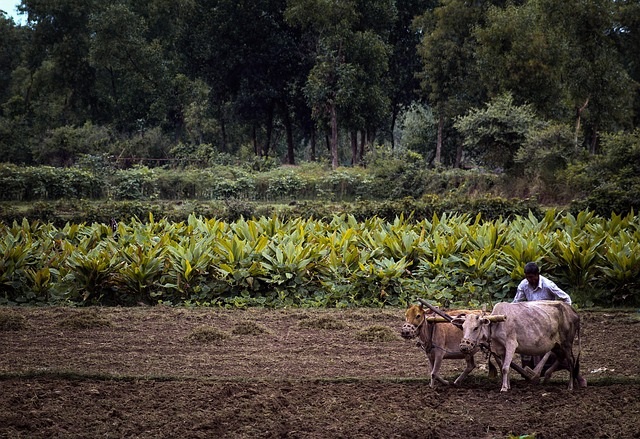
Irish organic vegetable farm field with farmers working in green landscape
Organic systems

Focus on soil health, rotation, biodiversity, and documented inputs aligned to EU organic rules.

Due diligence

Review assumptions, validate data sources, and stress-test the downside before committing capital.

Our purpose and approach

Organic vegetable projects can look simple from the outside, but the economics usually depend on a handful of operational realities: whether a field can reliably produce within a quality spec, how much is lost in grading and storage, what labour and machinery are needed during peak windows, and how produce moves from farm to buyer with minimal deterioration. Avalormx exists to map those realities into a framework that is useful for investors and planners who want to evaluate opportunities in Ireland.

We present information with a neutral tone and we avoid one-size-fits-all assumptions. Where people often see a single return figure, we encourage scenario ranges based on measurable drivers like hectares planted, tonnes harvested, pack-out rates, selling prices, and per-hectare operating costs. For organic systems, we also emphasize certification readiness, because compliance is not just a label. It is a set of documented practices that can affect procurement, storage separation, audits, and how buyers assess trust in the supply chain.

Scenario-first metrics

We highlight how changes in yield, pricing, and cost assumptions can reshape outcomes. This helps visitors understand sensitivity rather than relying on a single projection.

Compliance-aware planning

We explain the practical impact of EU organic certification context, including record keeping, traceability, and segregation in storage and handling.

Ireland market context

We describe common Irish market pathways such as wholesale, retail supply, and direct channels, and how seasonality and logistics can affect net results.

What we cover (and what we do not)

This site is designed to support due diligence and planning. It is not a broker, a lender, or a promise of outcomes. We aim to explain the inputs that typically matter in Irish organic vegetable projects, so visitors can ask better questions and validate assumptions with the right specialists.

We cover

  • Crop fundamentals for carrots, leafy greens, and potatoes, including operational constraints and quality drivers.
  • EU organic standards context and certification readiness topics such as documentation, inputs, and traceability.
  • Post harvest considerations: grading, cooling, storage, packing, and transport, which often drive margins.
  • Scenario tools that help you explore how assumptions move outcomes.

We do not

  • Provide financial, legal, or investment advice or guarantee returns.
  • Replace professional agronomy, certification, accounting, or legal reviews.
  • Claim that any specific ROI is achievable without validation under current market conditions.
  • Collect sensitive personal data through this page. There is no lead form on this site.

Why Ireland, and why vegetables?

Vegetable supply chains are shaped by freshness, consistency, and quality specifications. In Ireland, projects are often judged by their ability to reliably deliver to buyers with strong documentation and predictable logistics. Organic production adds additional constraints such as input restrictions and certification expectations, which can influence operating plans and risk management. For investors, this means that diligence should focus on operational capability and buyer alignment as much as headline revenue assumptions.

Avalormx centers the conversation on fundamentals: how a project is run, how it handles variability, and how it builds a repeatable system that meets buyer requirements and EU organic labeling expectations.
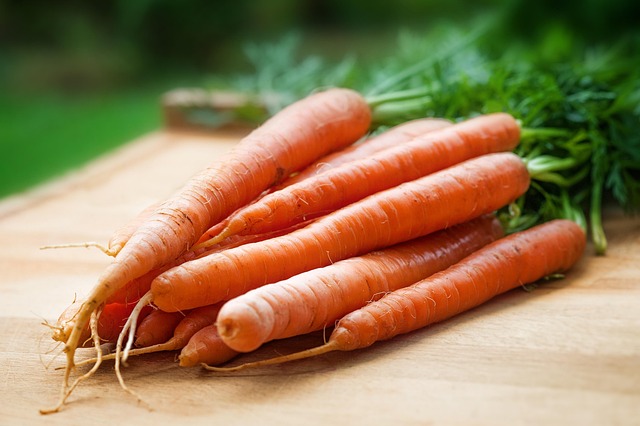
fresh potatoes carrots and cabbage from Irish organic farm produce

FAQ

Questions about how avalormx presents information and how to interpret it when researching organic vegetable farming opportunities.

Is avalormx an investment firm or offering securities?
No. Avalormx is an informational website. We publish educational material and scenario tools to help visitors understand drivers and risks. We do not offer securities, provide brokerage services, or act as a financial intermediary.
How should I interpret yield and ROI figures shown on the site?
As illustrative planning inputs. They are not predictions and they are not guarantees. Real outcomes depend on farm management, weather, quality specifications, market pricing, and cost control. Use scenario ranges and validate against current professional data sources.
Do you collect my personal data on the About page?
This page does not include a contact form and does not request personal data. The site may use cookies depending on your consent preferences. You can control cookie categories at any time via the footer link.
Where can I learn about cookies, ads, and tracking choices?
Visit our Privacy page for full details. You can also select "Manage cookie preferences" in the footer to accept or reject analytics and marketing cookies independently.
If you are evaluating a specific project, consider combining this site’s framework with on-site visits, independent soil and water assessments, buyer specification review, and certification guidance from an approved organic control body.

Disclaimer

The information on this website is for informational and educational purposes only and does not constitute financial, legal, or investment advice. Investing involves risk, including the possible loss of capital. Agricultural outcomes can be affected by weather, disease, input pricing, labour availability, and market conditions. You should consult qualified professionals and conduct independent due diligence before making any investment decision.