
Skip to content
Ireland focused, EU organic standards aware

Invest in Sustainable Organic Farming

Avalormx is an informational platform for understanding organic vegetable farming investment opportunities in Ireland. Explore crop fundamentals, operating drivers, certification considerations under EU organic rules, and practical planning tools that help you evaluate scenarios without hype.

Evidence-led
Focus on drivers like yields, input costs, and market demand, with plain-language explanations.
Risk-aware
Highlights weather variability, certification compliance, and operational constraints.
Scenario tools
Use a calculator to explore ranges rather than relying on single-point outcomes.
wide Irish farmland with lush green fields and hedgerows organic farming
Focus crops
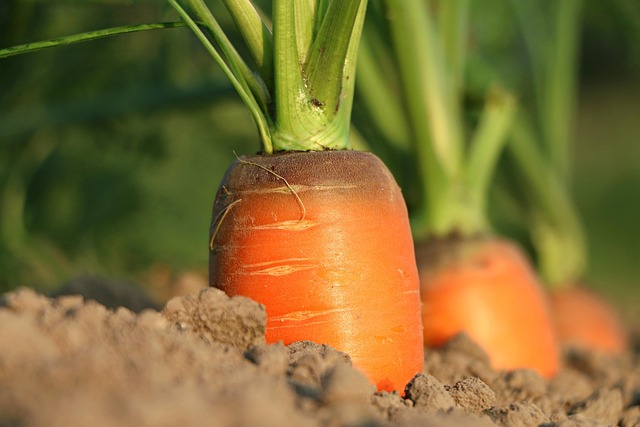
Carrots
Kale & cabbage
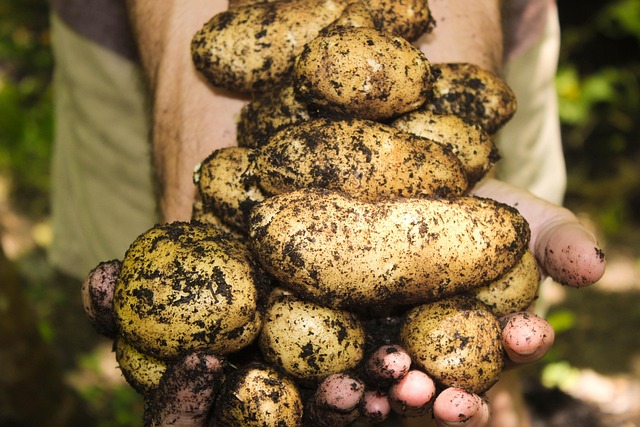
Potatoes
EU organic standards
Overview of certification steps, record-keeping expectations, and input restrictions commonly associated with EU organic production.
Ireland context
Planning considerations shaped by Irish growing conditions, logistics, and market dynamics for fresh and processed vegetables.
fresh organic carrots harvested on an Irish farm
Fresh carrots
Quality drivers include grading, storage, and consistent field management.
organic cabbage and leafy greens growing in lush green field Ireland
Leafy greens
Rotation and pest management matter for predictable supply.

What we do

Avalormx helps visitors understand how organic vegetable farming investments in Ireland are typically evaluated. The goal is clarity. We break down the elements that influence outcomes, including crop choice, agronomy basics, expected yield ranges, operational inputs, storage and distribution constraints, and how compliance with EU organic production standards can affect planning and costs. Instead of focusing on headline numbers, we emphasize scenario thinking: best case, typical case, and downside cases under changing weather, market pricing, and labour availability.

The platform also covers what investors and project planners commonly review when assessing a farm or a grower partnership: land suitability, rotation plans, water access, equipment needs, certification record-keeping, and quality assurance. You can use our calculator to explore assumptions and sensitivities, then compare those assumptions to common Irish agriculture market trends such as seasonal price movements, wholesale versus direct sales dynamics, and demand signals for certified organic produce. All content is provided for informational and educational purposes to support due diligence, not to replace professional advice.

Features and services

Practical tools and explanations designed to match the information needs of visitors researching Irish organic vegetable projects.

Ireland-first context

Read crop notes and planning considerations aligned to Irish growing conditions, labour realities, and route-to-market options.

EU organic standards primer

Learn the documentation mindset behind certification: traceability, input controls, inspections, and practical compliance habits.

Yield and cost drivers

Explore what typically moves the numbers: field performance ranges, grading losses, storage, packaging, and transport.

Scenario calculator

A simple widget to model assumptions and see how changes in yields, prices, and costs may impact net outcomes.

Farm visuals and operations

Images on this landing page are designed to represent common Irish organic vegetable production settings such as fields, harvest handling, and packing workflows. Review them alongside the written notes to understand what the work looks like on the ground.

Irish farmers working in lush green fields harvesting vegetables organic agriculture

Crop grid (sample focus areas)

These cards show typical data inputs used in planning. Figures are illustrative ranges for educational use only and should be validated with agronomists, growers, and current market pricing before decisions.

organic carrots in field Ireland vegetable rows
Carrots

Often evaluated on grading %, storage losses, and pack-out consistency. Rotation planning and weed control are key for organic systems.

Yield planning range t/ha (illustrative)
Low
25 to 35
Typical
35 to 55
High
55 to 70
ROI projections depend on pack-out %, selling channel, and storage costs. Use the calculator for scenario ranges.
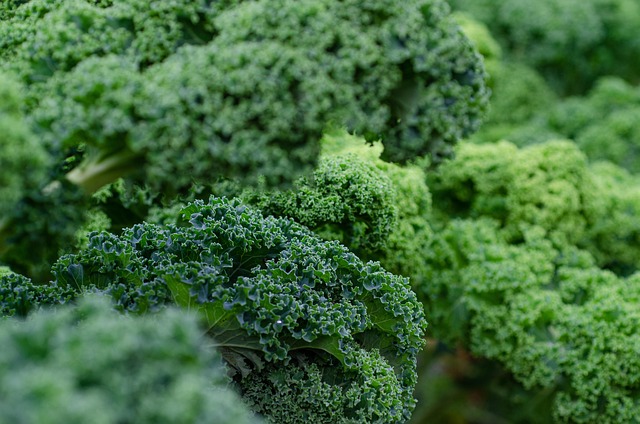
kale and cabbage organic leafy greens Ireland farm
Kale and cabbage

Leafy crops are sensitive to timing, pest pressure, and post-harvest handling. Contract specs and field hygiene can be decisive.

Yield planning range t/ha (illustrative)
Low
10 to 18
Typical
18 to 30
High
30 to 40
ROI projections depend on labour intensity, harvest frequency, and cooling logistics.
potatoes harvested in Ireland organic vegetable farming field
Potatoes

Storage capability and variety selection are common evaluation points. Organic systems may face higher risk from disease pressure.

Yield planning range t/ha (illustrative)
Low
20 to 28
Typical
28 to 40
High
40 to 55
ROI projections depend on disease outcomes, storage losses, and price seasonality.
Market trend references on this site relate to common Irish wholesale and retail seasonality patterns, input price variability, and demand for certified organic produce under EU labeling rules. Values can shift quickly; treat any figures as illustrative and validate with current datasets and professional advisers.

How it works

A straightforward journey for visitors who want to understand organic vegetable farming opportunities in Ireland and explore assumptions responsibly.

1

Read the overview

Start with crop notes and EU organic compliance basics, including record-keeping expectations and input restrictions that can affect costs.

2

Compare scenarios

Use yield ranges and cost drivers to form a typical, optimistic, and downside view. This helps you understand sensitivity to weather and pricing.

3

Run the calculator

Model your assumptions and see an estimated net outcome range. Calculator outputs are informational and do not represent guaranteed results.

4

Review next steps

Visit the Investments section for due diligence checklists and risk considerations, then consult qualified professionals before committing capital.

Investment calculator widget (quick scenario)

Enter a simple area, yield, price, and cost assumption to estimate gross revenue and an estimated net result. This is a simplified model for learning and planning. It does not account for all farm costs, taxes, financing, or certification timelines.

Open full calculator

Example: 5

Example: 40

Example: 650

Example: 9000

Results update below. No data is sent anywhere from this widget.

FAQ

Common questions about organic vegetable farming projects in Ireland, certification, and how to interpret planning metrics responsibly.

What does EU organic certification generally require for a vegetable operation?
Organic certification typically involves documented production practices, traceability, and restrictions on certain inputs. Farms commonly maintain field records, input logs, and supplier documentation, and they may be inspected by an approved control body. Requirements can vary by operation type, so always confirm the applicable rules and timelines for the specific project.
Why do yield ranges matter more than a single yield number?
Yields can vary due to weather patterns, soil conditions, pest pressure, rotation history, and management practices. Using a range helps you understand downside risk and prevents overreliance on an optimistic case. The calculator is designed for scenario exploration rather than prediction.
How do organic vegetable projects typically sell produce in Ireland?
Routes to market often include wholesale buyers, packers, retail supply agreements, food service, and direct-to-consumer channels. Pricing, specifications, and risk can differ significantly across channels. Storage and packing capacity frequently influence which channels are feasible.
Are ROI projections on this page a promise of returns?
No. Any ROI or yield figures presented here are illustrative planning inputs meant for education. Real outcomes depend on operational execution, costs, pricing, weather, and compliance. Investing involves risk, including the possible loss of capital.

Disclaimer

The information on this website is for informational and educational purposes only and does not constitute financial, legal, or investment advice. Investing involves risk, including the possible loss of capital. Agricultural outcomes can be affected by weather, disease, input pricing, labour availability, and market conditions. You should consult qualified professionals and conduct independent due diligence before making any investment decision.